UX / UI Design
Description

UX/UI design optimises user experience and interfaces.
At SAHA Technology, we create user-friendly and visually striking designs to ensure smooth navigation and a memorable experience for your application's users.
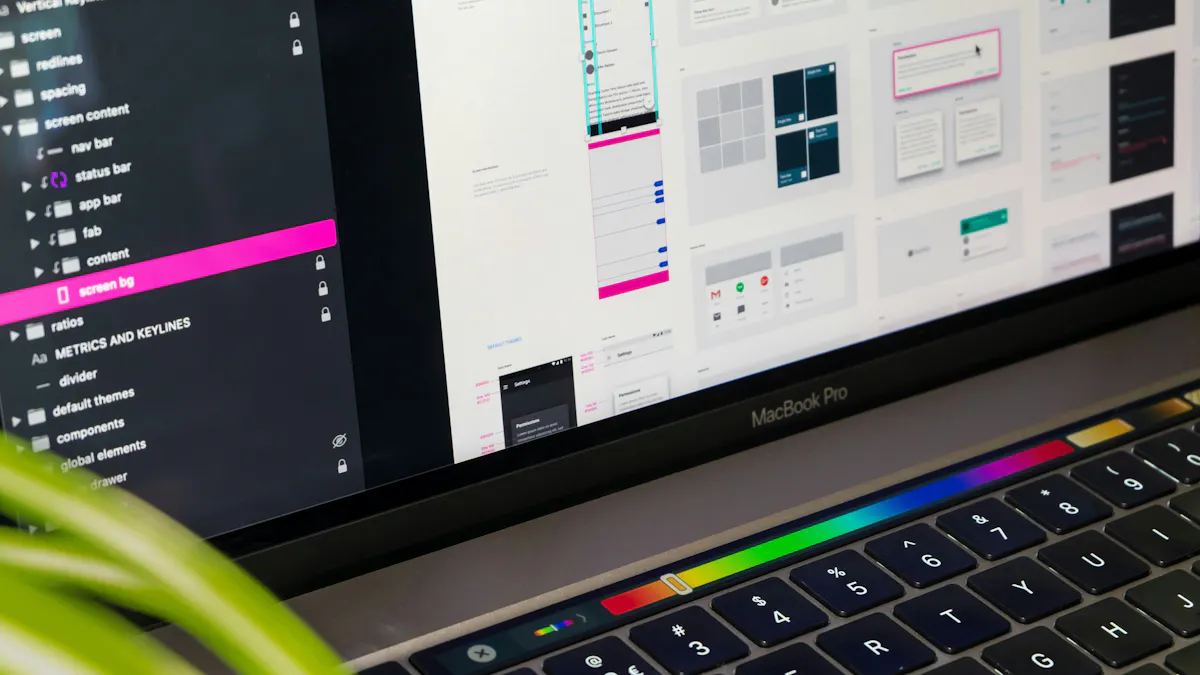
What is UX/UI Design?
UX (User Experience) and UI (User Interface) are two complementary disciplines aimed at creating digital products that are useful, usable, and enjoyable.
- UX Design: User Experience Design. This involves understanding user needs, optimising navigation, journeys and information architecture. Aim: make interactions intuitive and efficient.
- UI Design: User Interface Design. This is all about visual design: colours, typography, icons, buttons, micro-interactions. Aim: catch the eye and guide the user.
Good UX/UI increases conversion rates, reduces bounce rate and encourages engagement—positive signals for search engine optimisation (SEO).

The Fundamentals of UX Design
User research: Personas, user tests, interviews. Understand needs and frustrations to design a relevant experience.
Information architecture: Logical organisation of content. A well-structured site makes navigation easier and helps search engines crawl it, boosting SEO.
Wireframing and prototyping: Creating low-fidelity wireframes and then interactive prototypes (with Figma, Sketch, Adobe XD) to test user journeys before development.
User testing: Validating design choices through usability tests. This helps to identify friction points and optimise the user experience.

The Fundamentals of UI Design
Visual design: Colour choices (colour psychology), typography (readability), icons and white space. A consistent visual identity strengthens brand recognition.
Design system and components: Creating a library of reusable components (buttons, forms, cards). This ensures consistency across the product and speeds up development.
Micro-interactions and animations: Little details that make the interface lively and pleasant: hovers, transitions, visual feedback. They improve user engagement without hurting performance.
Accessibility (a11y): Sufficient contrast, suitable text size, keyboard navigation. Inclusive design widens your audience and complies with RGAA standards.

UX/UI and SEO Impact
User Experience (UX) and SEO: Google analyses visitor behaviour: bounce rate, time on site, click-through rate. An optimised UX improves these user signals, helping your site rank better in search results.
Core Web Vitals: These metrics measure loading speed (LCP), interactivity (INP), and visual stability (CLS). UI Design has a direct impact on these now crucial indicators for SEO.
Mobile-first and responsive: Responsive, mobile-friendly design is a must due to Google’s mobile-first indexing. Mobile UX (thumb navigation, readability) directly affects SEO.
Conversion rate: A smooth user journey and clear interface boost conversions (purchases, sign-ups, downloads). Good ROI often results from carefully considered UX/UI Design.
The tools we use
 Figma
Figma Lunacy


